


Zhejiang General Light Curtain Co., Ltd. was established in 2007. The company's factory covers an area of 44,762 square meters and has 316 employees. We mainly produce electric curtain motors, tubular motors, electric roller blinds, Roman rods, and their parts. At the same time, our design team provides product designs that best meet the annual market, which are favored by the international market and enable us to enjoy a higher reputation.
Our Advantages
Innovative Product Solutions
Our team members have diverse professional backgrounds and are good at a variety of different technical fields, including software development, hardware design, algorithm research, etc., and are committed to providing customers with the best technical solutions.
Advanced Production System
Our company is equipped with injection molding equipment workshops, stamping equipment, electroplating lines, electronic workshops, intelligent warehousing, ERP systems, etc., which can efficiently complete various processing processes.
Reliable Product Quality
Every year our products pass strict factory inspections by BSC, SEDEX and foreign supermarkets, and all materials meet REACH standards, with very high reliability.
Broad Sales Market
Our products are widely used in indoor shading, outdoor shading, safety protection systems, etc., and are exported to many countries, including the United Kingdom, France, Germany, the United States, Russia, Spain, Poland, Finland, Italy, Chile, Peru, etc.
-
![Aluminum Pergola Tubular Motor For Curtain Blackout Windproof]()
-
![PM59 Tubular Motor]() Add to Inquiry
Add to Inquiry -
![PM35 Tubular Motor]() Add to Inquiry
Add to Inquiry -
![PM45 Tubular Motor]() Add to Inquiry
Add to Inquiry -
![PM59 Tubular Motor]() Add to Inquiry
Add to Inquiry -
![PM92 Tubular Motor]() Add to Inquiry
Add to Inquiry


Introduction to AC Tubular Motor
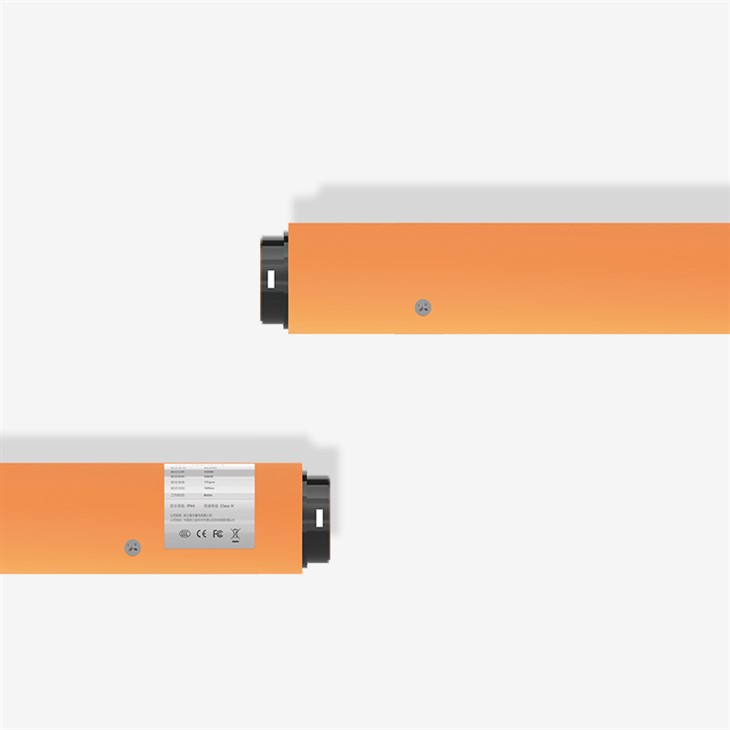
Tubular motors are types of motors, which are rectangular or tubular in size and are generally used to move the window or door covering more gently and precisely. These tubular motors consist of soft brake and electrical drives and provide an integrated slow speed, which, in turn, ensures a soft atop of blinds. This type of instrument can protect every window and door closing and also can reduce noise development.
High Precision
Tubular linear motors can achieve high levels of precision due to their direct drive design, which eliminates backlash, compliance, and wear associated with mechanical transmission systems. This results in improved positioning accuracy and repeatability.
Fast Dynamic Response
These motors exhibit excellent dynamic performance with fast acceleration and deceleration capabilities, allowing them to quickly respond to changes in demand, making them ideal for applications requiring rapid movement and precise control.
Low Maintenance
With no intermediate mechanical components, tubular linear motors have fewer parts that can wear out or require maintenance, leading to lower overall maintenance costs and increased reliability.
Compact Design
The cylindrical design of tubular linear motors enables a smaller footprint and reduced weight compared to other linear motor technologies. This allows for greater design flexibility and easier integration into existing systems.
Application of AC Tubular Motor
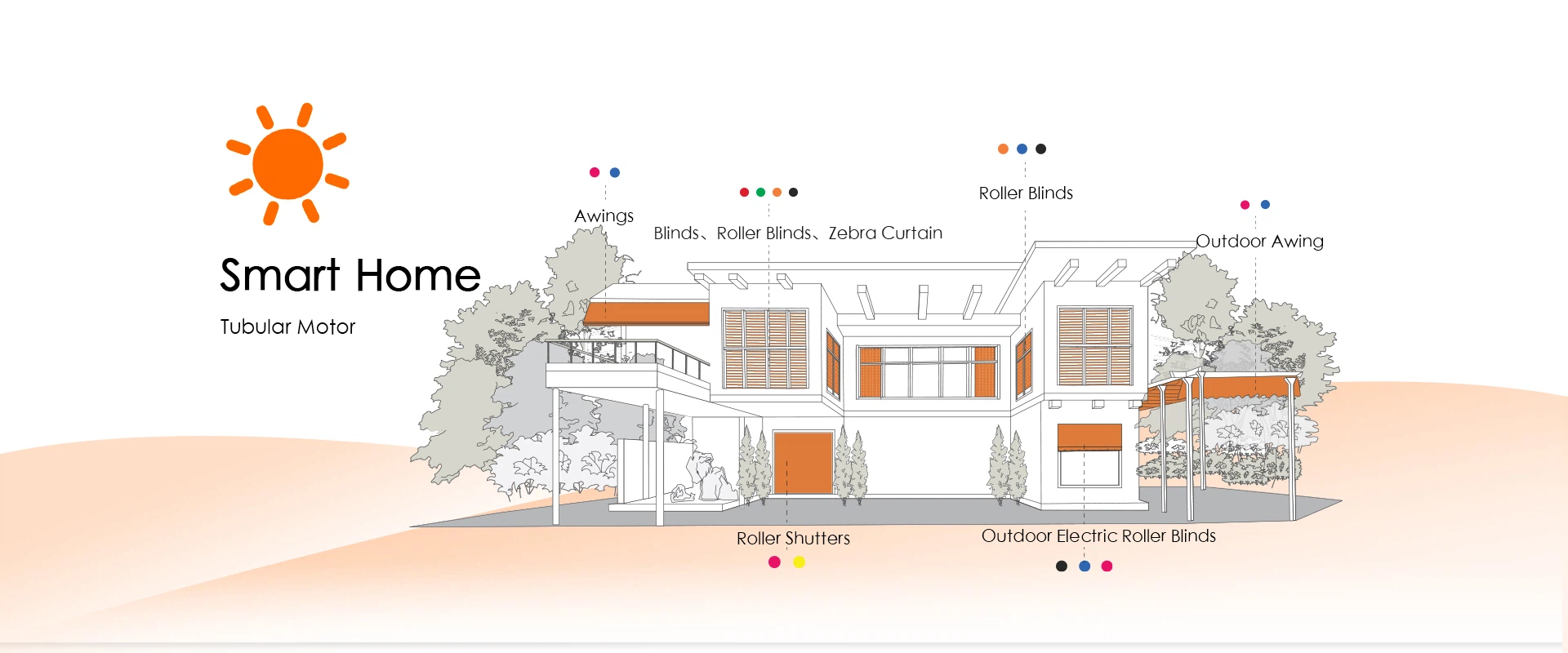
Roller Shutters and Blinds
AC tubular motors are widely used in the automation of roller shutters and blinds. They provide a convenient and efficient way to control the opening and closing of these window coverings.


Awning Systems
Tubular motors are employed in retractable awning systems for homes, commercial spaces, and outdoor areas. They enable easy extension and retraction of awnings, offering sun protection and shade control.
Projection Screens
AC tubular motors are used in motorized projection screens. This application allows for automated rolling and unrolling of projection screens in home theaters, conference rooms, or other presentation spaces.

Garage Doors
Tubular motors are utilized in automated garage door systems, providing a reliable and convenient method for opening and closing garage doors.
Curtain Automation
In both residential and commercial settings, AC tubular motors are applied to automate curtains. This allows for remote or automated control of curtain movement.


Greenhouse Ventilation
Tubular motors can be used in greenhouse systems to automate the opening and closing of ventilation windows. This helps regulate temperature and humidity levels for optimal plant growth.
Working Principle of AC Tubular Motor
A tubular linear motor is a type of direct drive linear motor, which means it directly converts electrical energy into linear motion without the need for intermediate mechanical components like gearboxes, belts, or screws. It consists of two main components: the stator (stationary part) and the mover (moving part). The stator contains a series of coils arranged in a cylindrical shape, while the mover has permanent magnets embedded in a cylindrical steel tube. When an alternating current is applied to the stator’s coils, it generates a magnetic field that interacts with the permanent magnets in the mover, producing linear motion. By controlling the current waveform, the motor’s position, speed, and acceleration can be precisely controlled, enabling high-performance linear motion systems.
Maintenance Tips for AC Tubular Motor
You should regularly inspect your motor mount. Damage to the motor mount can quickly result in problems for the entire motor assembly. Pay attention to ensure that all mounting bolts are tight and secure, with no obvious play present. Any cracked plates you find should be replaced.
Examine the rotor and stator. You’ll want to make sure that the gap between these components remains at an optimal distance. Any changes you notice from prior measurements are an indication that the motor bearings may need to be replaced. You should also blow out the motor regularly to keep everything clean and free-flowing.
Don’t over do the lubrication. You absolutely need to keep the motor properly lubricated, but many people tend to overdo it. Using too much lubricant can cause oil to get trapped in the windings, thus leading to premature deterioration of motor components. Be sure to follow the manufacturer’s guidelines for lubrication amounts and frequency.
Don’t neglect to keep good service records. Maintaining accurate records about the status of your AC motor, as well as about what service has been applied, is essential for the long-term operating life of your equipment. Keeping good records makes it easier to identify any recurring issues that may call for specific part replacements.
Factors to Consider Before Choosing an AC Tubular Motor
Torque Requirements
Determine the torque needed to operate your application. The torque requirement depends on factors such as the size, weight, and type of window coverings or rolling shutters you intend to automate. Select a motor with sufficient torque to handle the load effectively.
Speed
Consider the desired operating speed of the motor. Different applications may require varying speeds, so choose a motor that can provide the appropriate speed range for your needs.
Motor Size and Power
Evaluate the available space for motor installation. Ensure the motor dimensions are compatible with the available space and can be accommodated without any obstructions. Also, consider the power supply requirements and voltage compatibility to ensure the motor can be easily integrated into your electrical system.
Control Options
Determine the control options you prefer for operating the motor. AC tubular motors can be controlled using various methods, including wall switches, remote controls, timers, or integration into a home automation system. Choose a motor that offers the control options that align with your preferences and requirements.
Noise Level
Consider the noise level produced by the motor during operation. Some motors are designed to minimize noise, which can be particularly important for applications where quiet operation is desired, such as bedrooms or offices.
Quality and Reliability
Ensure the motor you choose is of high quality and comes from a reputable manufacturer. Look for motors that have been tested and certified for reliability and durability. Check for warranties or guarantees provided by the manufacturer to ensure peace of mind regarding the product's performance and longevity.
Installation and Maintenance
Consider the ease of installation and any specific maintenance requirements for the motor. Look for motors that come with clear installation instructions and provide convenient access for maintenance and servicing when needed.
Budget
Consider your budgetary constraints when selecting an AC tubular motor. There are various motor options available at different price points, so choose one that offers a balance between quality, features, and affordability.
Our Certificate
Certificates such as CE, CCC, FCC, etc. mean that our products meet specific quality, safety, and electromagnetic compatibility standards. Our products can legally enter specific markets, improve the competitiveness of products in the international market, and provide consumers with confidence.


Our Factory
Our advanced modern factory can complete all manufacturing processes such as stamping, die-casting, injection molding, welding, injection molding, surface treatment, electronic welding, etc., and quickly provide customers with products that meet their needs.

Ultimate FAQ Guide to AC Tubular Motors
Q: What is the function of AC Tubular Motor?
Q: How does a tube motor work?
Q: What are the benefits of cylindrical design?
The primary benefit of tubular linear motors over flat and U-channel types is their high efficiency. Linear motors work on the principle of the Lorentz Force, which states that when a conductor with current (the stator) is placed in a magnetic field that is perpendicular to the current, a force is generated on the conductor. The direction of the force is perpendicular to both the magnetic field and the current. The key for tubular linear motors is that their design allows the entire coil (not just a portion of the coil, as in flat and U-channel designs) to be perpendicular to the magnetic flux, so all of the current is used to generate force in the direction of travel, maximizing their efficiency.
High efficiency devices generate less heat, so less cooling is needed. Less heat also means less expansion and contraction of components due to thermal effects, and more importantly, less heat transferred to the external load or work environment. The result is better positioning accuracy, which is especially important for cutting, machining, or dispensing applications. Although some designs are available with iron core stators for higher force production, most tubular motors are ironless, so they have no cogging effects and produce very smooth motion.
Q: What is the working principle of the tubular motor?
Q: According to the operation principle of the stroke part during power failure, how many categories can tubular motor be divided into?
Q: What should we pay attention to during maintenance of tubular motor?
● Inspect and service whenever a malfunction of either door or operator is observed or suspected.
● Before servicing, always disconnect the power supply to the operator.
● All replacement parts must be compatible with those originally provided.
● If an entrapment protection device is used, i.e. sensing edge, please consult the manufacturer for maintenance instructions.
Q: What are the pros and cons of AC vs DC motors?
Q: Can AC tubular motor be used in sunshade systems?
Q: Can AC tubular motor be used in smart home systems?
Q: What does an AC tubular motor consist of?
Q: What is the operating principle of AC tubular motor?
Q: What factors will affect the service life of AC tubular motor?
Different motor types have different lifespans. For example, small DC motors used in appliances may last from two to five years, while large industrial AC motors can last decades with proper care.
Usage
How much and how hard the motor is used significantly impacts its lifespan. The constant heavy-duty operation will naturally shorten its life compared to light, infrequent use.
Operating Conditions
Environmental factors -- such as temperature, humidity, dust and vibration -- also play a big role in the motor's lifespan, and harsh conditions can lead to faster wear and tear of its components.
Maintenance Plan
Regular maintenance activities -- such as lubrication, cleaning and bearing checks -- can extend the motor's lifespan, because you can usually detect potential problems early on.
Q: Are tubular motors easy to install?
Q: Can a tubular motor be controlled remotely?
Q: How do you adjust the speed of a motor?
Q: How to change the RPM of a motor?
Q: What are the main applications of AC tubular motors?
Q: Can AC tubular motors be used outdoors?
Q: Can I integrate AC tubular motors with smart home systems?
Q: Do tubular motors support different tube sizes?
Q: Are tubular motors noisy during operation?
Q: What are the characteristics of AC tubular motor?
We're well-known as one of the leading ac tubular motor manufacturers and suppliers in China. We warmly welcome you to wholesale cheap ac tubular motor from our factory. All custom made products are with high quality and competitive price.
roller shutter door tubu motor, PM35 Tubular Motor, PM45 Tubular Motor