


PM59 Tubular Motor
The PM59 tubular motor usually comes in many different versions:E/EB/M/R/S/RM/EC. The load weight of this PM59 is high,and most of them are suitable for outdoor roller curtain products. This model uses alternating current, has the characteristics of large torque and high load.
- Fast Delievery
- Quality Assurance
- 24/7 Customer Service
Product Introduction
Zhejiang General Light Curtain Co., Ltd. was established in 2007. The company's factory covers an area of 44,762 square meters and has 316 employees. We mainly produce electric curtain motors, tubular motors, electric roller blinds, Roman rods, and their parts. At the same time, our design team provides product designs that best meet the annual market, which are favored by the international market and enable us to enjoy a higher reputation.
Our Advantages
Innovative Product Solutions
Our team members have diverse professional backgrounds and are good at a variety of different technical fields, including software development, hardware design, algorithm research, etc., and are committed to providing customers with the best technical solutions.
Advanced Production System
Our company is equipped with injection molding equipment workshops, stamping equipment, electroplating lines, electronic workshops, intelligent warehousing, ERP systems, etc., which can efficiently complete various processing processes.
Reliable Product Quality
Every year our products pass strict factory inspections by BSC, SEDEX and foreign supermarkets, and all materials meet REACH standards, with very high reliability.
Broad Sales Market
Our products are widely used in indoor shading, outdoor shading, safety protection systems, etc., and are exported to many countries, including the United Kingdom, France, Germany, the United States, Russia, Spain, Poland, Finland, Italy, Chile, Peru, etc.
Tubular Motors for Sale Display
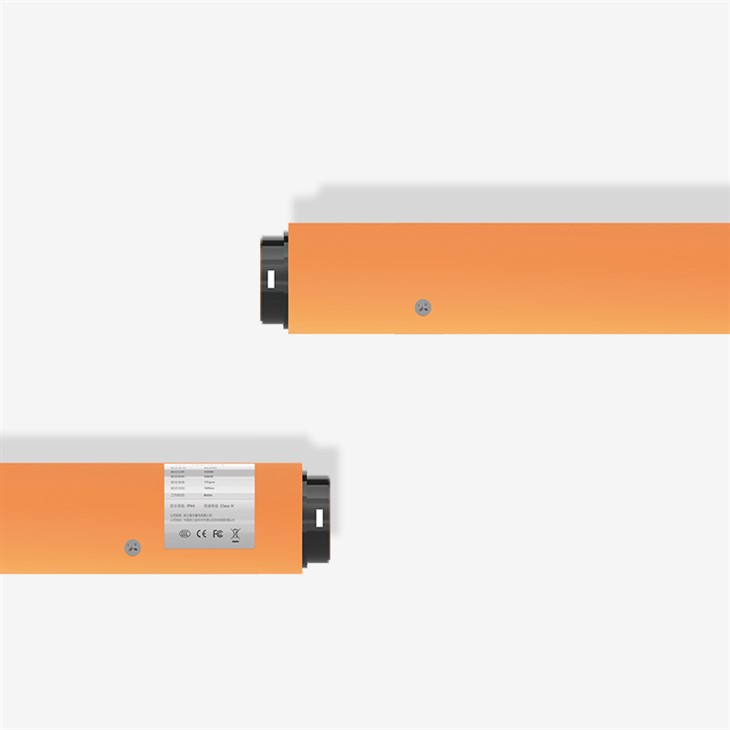
PDM24 tubular motor is small in size and lightweight, so it is widely used in office buildings, conference rooms, indoor sunshade blinds of homes, etc. Low-noise design can add splendor to your life.

The PDM25 DC Tubular Motor is a high performance electric motor. It uses high-precision computer chips and has intelligent control functions. The built-in lithium battery makes it more convenient to use and is no longer limited to plug-in use.

PM35 Tubular Motors have been widely used in garage doors, rolling shutters, curtains, and other fields. It can be controlled remotely via a smart remote or paired with home automation or mobile phone apps. Its lightweight construction gives it greater flexibility, making it easier to adjust position and orientation.

The position control of the PM45 Tubular Motor is very precise and can be started and stopped accurately according to user needs. It can be used on various indoor and outdoor occasions, and is suitable for use in curtains, windows, doors, etc.
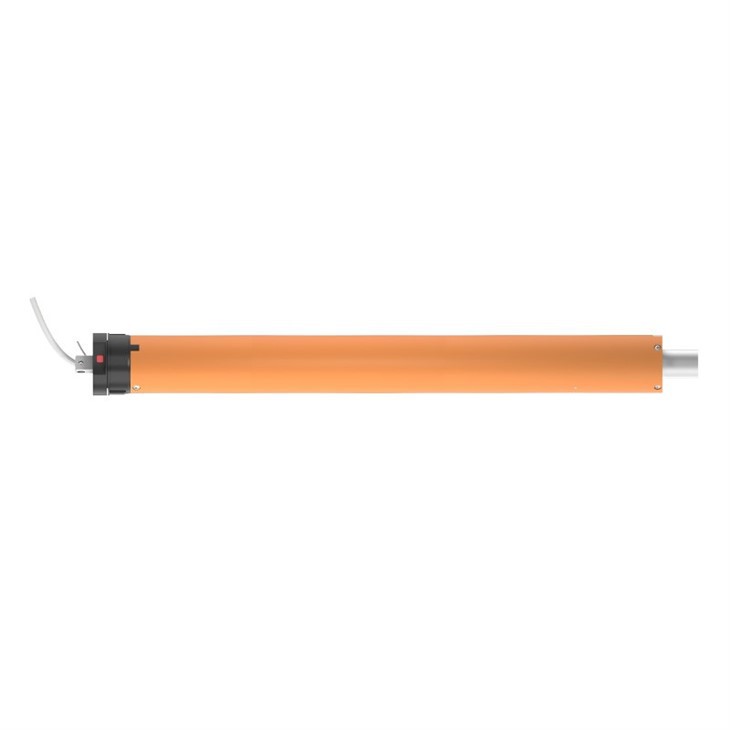
PM59 Tubular Motor adopts advanced silent technology and can operate at extremely low noise to ensure user experience. At the same time, its driving mechanism adopts a wire rope transmission design, which makes the movement run more smoothly and avoids bumps and vibrations.

PM92 Tubular Motor is widely used in various types of production, including automatic rolling shutter doors and rolling shutter windows. This kind of motor can be controlled by using electronic devices such as remote controls, making it more convenient to open and close rolling shutter doors and rolling shutter windows.

Introduction to Tubular Motor
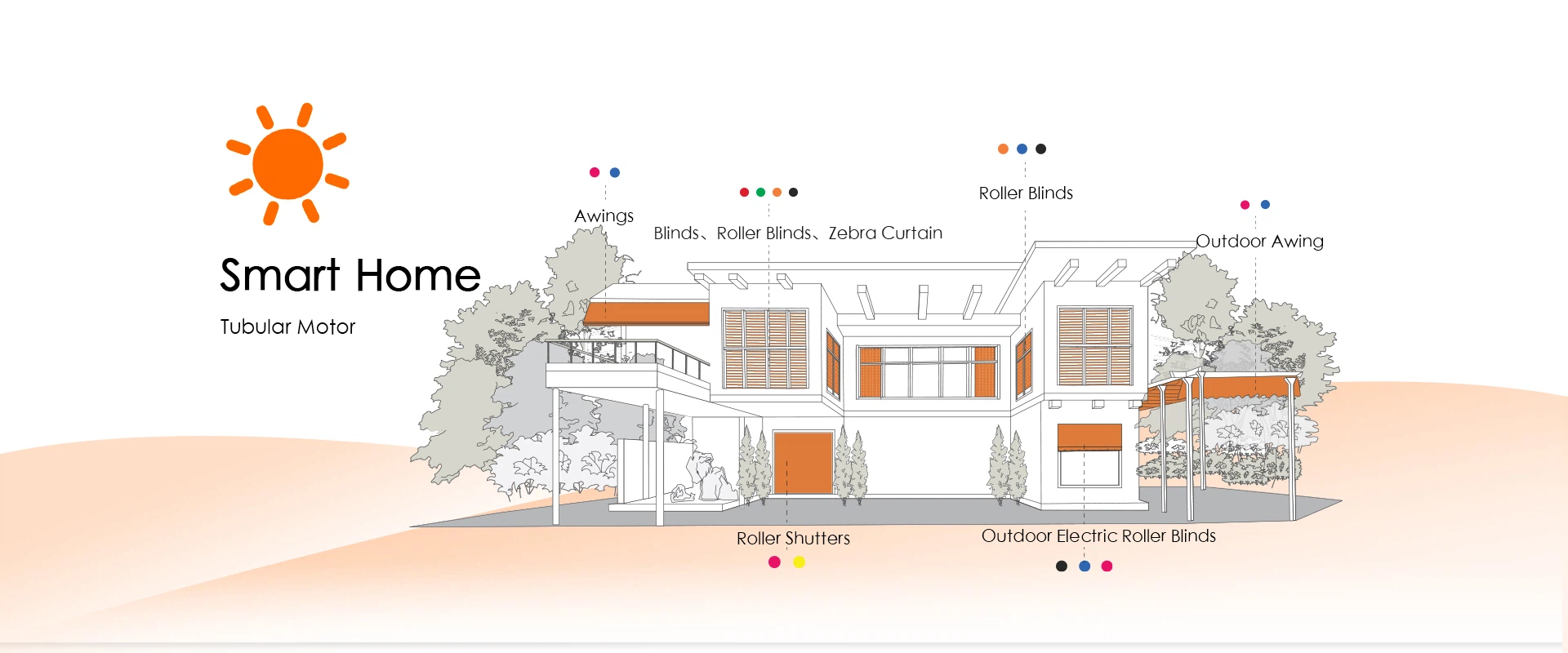
A tubular motor is a type of electric motor commonly used in various applications, including motorized curtain tracks, roller blinds, projection screens, awnings, and shutters. It is called a tubular motor because it is designed in a cylindrical shape, resembling a tube.
Compact Design
Tubular motors are compact in size, with a cylindrical shape. This allows for easy integration into various systems, such as motorized curtain tracks or roller blinds. The motor is typically housed inside a tube, which also serves as the support structure.
Motorized Movement
Tubular motors provide rotational movement, which is converted into linear movement through a mechanical system. This linear movement is used to drive the curtains, blinds, or other systems they are installed in. The motorized movement enables smooth and controlled operation of the system.
Electric Power
Tubular motors are powered by electricity. They are connected to a power supply, either directly or through a control system. The motor converts electrical energy into mechanical energy to drive the movement of the system.
Control Options
Tubular motors can be controlled through various methods, depending on the specific application. Common control options include wall-mounted switches, remote controls, smartphone apps, or integration with smart home systems. These control options allow users to operate the system and adjust the movement of curtains or blinds as desired.
Built-in Limit Switches
Tubular motors often come with built-in limit switches. These switches are used to define the upper and lower limits of the motorized movement. They ensure that the curtains or blinds stop at the desired positions, preventing any overextension or damage.
Power and Torque Ratings
Tubular motors are available in different power and torque ratings to suit various applications. The power rating determines the motor's electrical consumption, while the torque rating indicates the motor's ability to generate rotational force. The appropriate power and torque ratings depend on factors such as the weight of the curtain or blind, the size of the system, and the desired speed of operation.
Application of Tubular Motor


Tubular motors are typically made up of a sturdy metal housing that is cylindrical in shape. Inside the housing, there is a series of electromagnetic coils and permanent magnets that are arranged to generate a rotating magnetic field. When electricity is supplied to the coils, the magnetic field interacts with the permanent magnets to produce a torque that rotates the motor's output shaft. The output shaft of a tubular motor is usually connected to a load, such as a conveyor belt, a robotic arm, or a machine tool. By controlling the direction and amount of current supplied to the coils, the motor can rotate the load in a desired direction and with a specific torque.
Industrial Field
Tubular motors are used in a wide range of industries, including transportation, packaging, manufacturing, and more. They are often employed to power conveyor belts in factories and warehouses, where they move products from one area to another. They can also be found in robotic arms and other automated equipment that require precise control and positioning.
Home Automation
In addition to their use in industrial applications, tubular motors are also commonly found in home automation systems. For example, they can be used to open and close garage doors, operate sliding doors and windows, and even power automated curtains and blinds.
Tubular motors provide a reliable and efficient way to convert electrical energy into rotational motion. They have numerous applications across various industries, including transportation, packaging, manufacturing, and more. When choosing a tubular motor, it is important to consider the load requirements, operating environment, and desired performance characteristics to ensure the motor is suitable for the intended application.
Tubular motors are designed to fit within a rotating axle and thus appear tubular in appearance. They generally comprise a metal or plastic tube with a drive wheel or flange at one end. At the most simple level, the tubular motor comprises an AC electric motor that drives a series of planetary gear trains mounted into the 'tube' of the tubular motor.
The most common form of limit stop for tubular motors are mechanical limits that are set and remembered by using pulse counting on an encoder wheel inside the tubular motor. In a typical application, this requires the installer to set the limits by manually running the tubular motor to the extreme limits and pressing a button on the motor, or perhaps on the motor remote control. Newer tubular motors include sophisticated electronics that provide this limit setting in electronics without needing to have access to the tubular motor. These newer models are also starting to include 'intermediate' stop positions to allow further flexibility. This allows the user to 'set and forget' a position that leaves a roller shutter half retracted, for example.
Factors to Consider Before Choosing a Tubular Motor
Curtain Size and Weight
The size and weight of your curtains are crucial factors in determining the appropriate tubular motor. Heavier curtains will require a motor with higher torque to handle the load effectively. Measure the length, width, and weight of your curtains to provide this information when selecting a motor.
Track Length
Consider the length of the curtain track where the motor will be installed. Ensure that the motor is compatible with the track length and can provide sufficient power and speed to move the curtains along the entire track.
Speed Requirements
Determine the desired speed at which you want the curtains to open and close. Different tubular motors offer varying speed options, so choose one that can meet your specific requirements.
Control Options
Consider the control options that you prefer for operating the motorized curtains. Tubular motors can be controlled using wall-mounted switches, remote controls, smartphone apps, or integrated into smart home systems. Choose a motor that offers the control options that align with your preferences and convenience.
Power Supply
Ensure that the tubular motor you choose is compatible with the available power supply in your location. Check the voltage and frequency requirements of the motor to ensure a proper match.
Noise Level
Consider the noise level produced by the motor during operation, especially if you require a quiet environment. Look for motors that are designed to operate silently or have noise reduction features.
Safety Features
Consider any additional safety features you may require. Some tubular motors offer features such as thermal protection, which shuts down the motor if it operates at high temperatures for an extended period. This can help prevent overheating and potential damage to the motor.
Our Certificate
Certificates such as CE, CCC, FCC, etc. mean that our products meet specific quality, safety, and electromagnetic compatibility standards. Our products can legally enter specific markets, improve the competitiveness of products in the international market, and provide consumers with confidence.


Our Factory
Our advanced modern factory can complete all manufacturing processes such as stamping, die-casting, injection molding, welding, injection molding, surface treatment, electronic welding, etc., and quickly provide customers with products that meet their needs.

Ultimate FAQ Guide to Tubular Motor
Q: What are the differences between a Synchronous and a Tubular Motor?
Q: What is the future of tubular linear motors?
Q: What is the working principle of the tubular motor?
Q: What are the applications of tubular motors?
Q: What parts does a tubular motor consist of?
Q: How does tubular motors work?
Q: How do tubular motors transmit power?
Q: What are the advantages of tubular-type motors?
● The power of the tubular motor is small, generally within 400KG.
● The tubular motor itself is relatively small, and it is also installed in the large shaft to save space.
● The price is competitive.
Q: Do tubular motors make a lot of noise during operation?
Q: What is the typical application of a tubular motor?
Q: Can tubular motors lift heavy roller shutters?
Q: What materials are tubular motors made of?
Q: How to identify the quality of tubular motors?
● Look at the specific details and usage of the product. On the one hand, it depends on the power of the motor, and you should choose a point motor with the appropriate power according to the size and weight of your curtains. The second aspect depends on the noise during click operation. Excessively noisy motors will affect work and life, so noise is an important criterion for selection. The third aspect depends on the operation of the motor, whether it runs smoothly, sensitively, and whether it will cause a stuttering phenomenon, these are important criteria for judgment.
Q: What applications are suitable for tubular motors?
Q: How to maintain a Tubular Motor?
Dust and debris can accumulate on the motor and affect its performance. Periodically clean the motor using a soft brush or cloth to remove any dirt or dust. Avoid using water or liquid cleaners, as they can damage the motor.
Lubrication
Some tubular motors may require periodic lubrication to maintain smooth operation. Check the manufacturer's guidelines or documentation to see if lubrication is recommended and the specific type of lubricant to use. Apply the lubricant as instructed by the manufacturer.
Inspection
Regularly inspect the motor and its components for any signs of wear, damage, or loose connections. Look for any frayed wires, loose screws, or abnormal sounds during operation. If you notice any issues, contact a professional for inspection and repair if necessary.
Obstacle Detection
If your tubular motor has obstacle detection sensors, test them periodically to ensure they are functioning properly. Place an object in the path of the curtains and observe if the motor stops or reverses direction as expected. If the sensors are not working correctly, consult the manufacturer or a professional for assistance.
Q: Can I retrofit a tubular motor to my existing roller shutters or blinds?
Q: Do tubular motors come in different sizes?
Q: Can tubular motors be controlled remotely?
Q: What types of blinds are compatible with tubular motors?
Q: Are tubular motors energy-efficient?
Q: Can tubular motors be connected to solar panels?
Hot Tags: pm59 tubular motor, China pm59 tubular motor manufacturers, suppliers, factory, roller garage door tubular motors, PM59 Tubular Motor, Curtain Switch, PEM101 Electric Blind Controller, smart home curatin motor, electric curtain switch


